
Kenyan athlete has real chance for peaceful life after spine surgery
Name: Millicent Odanga Country: Kenya Treatment: Spine Surgery From the most active athlete to spinal injuries, everything seemed at odds with the pain and the struggle.
We have extensive knowledge of how healthcare works. Our experts examine your case and provide you with the best leading hospitals and doctors.
Our special contracts negotiated with hospitals guarantee you the best price. We maintain the utmost honesty and transparency in pricing.
We are there with you 24 * 7. We represent you in the hospital, hold you hand in hand and make sure you are never alone.

Name: Millicent Odanga Country: Kenya Treatment: Spine Surgery From the most active athlete to spinal injuries, everything seemed at odds with the pain and the struggle.

Name: Marcellous Akrong Country: Ghana Treatment: Brain Tumor Surgery Last week one of our patients, Marcellous Akrong, from Ghana, accompanied us to lunch, who ..

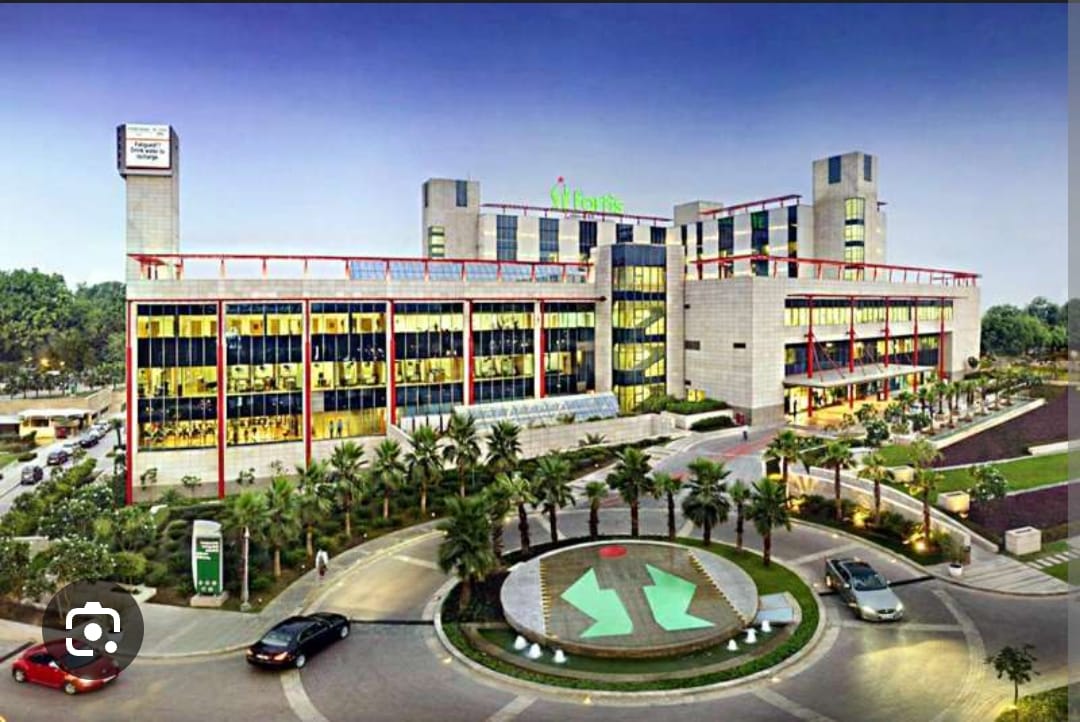
Country: United Arab Emirates Condition: Knee problems Treatment: Robotics Knee Replacement Surgery Doctor: Dr Ashok Rajgopal Hospital: Fortis Memorial Research Institute, Delhi NCR Mr. Ahmed Salam ..

Who could have imagined ten years ago that India would become one of the world's most dominant tourist destinations for medical tourism? Driven by a booming economy, an excess of experienced healthcare professionals, low treatment costs, and a demonstrated national propensity for the universal redistribution of client benefits, India is today he is the world's leading healthcare facilitator. Foreign medical tourists can save up to 85% by getting high quality treatment in India. The majority of patients travel to India for high-acuity procedures, such as heart and joint surgeries. Indian hospitals annually serve over 300,000 international medical tourists; the vast subcontinent has become a magnet for international medical travelers in its major cities such as Bangalore, Delhi, Chennai, Hyderabad and Mumbai. Medical treatment in India has progressed because of this popularity over the past decade.
Unlike Asian counterparts, who have traditionally encouraged medical tourism to their country by aggressively employing high-level health professions of other nationalities, India produces some of the best doctors and surgeons in the world domestically. , with the accessibility of excellent countries teaching health and research centers. More than ten thousand Indian medical experts work in hospitals located outside their country. More than 41,000 Indian surgeons practice only in the United States. In the United States, more than one in five surgeons are of Indian descent and harbor the stereotype of Asian citizens. India follows a two tier health distribution system. Due to the widespread poverty in the country, the public health system provides medical care to disadvantaged groups at little or no cost. The majority of the Indian population does not have medical insurance. This forces hospitals to build affordable healthcare packages. And there are only a few people in the world who can afford elective treatments or the expense of major surgery. Low cost treatment helps attract patients for medical treatment in India The influx of international patients to India has also prompted hospitals to stay well equipped with the latest technology as it has become a major source of profit for them. It has also had a positive impact on tourism in India, boosting the economy.
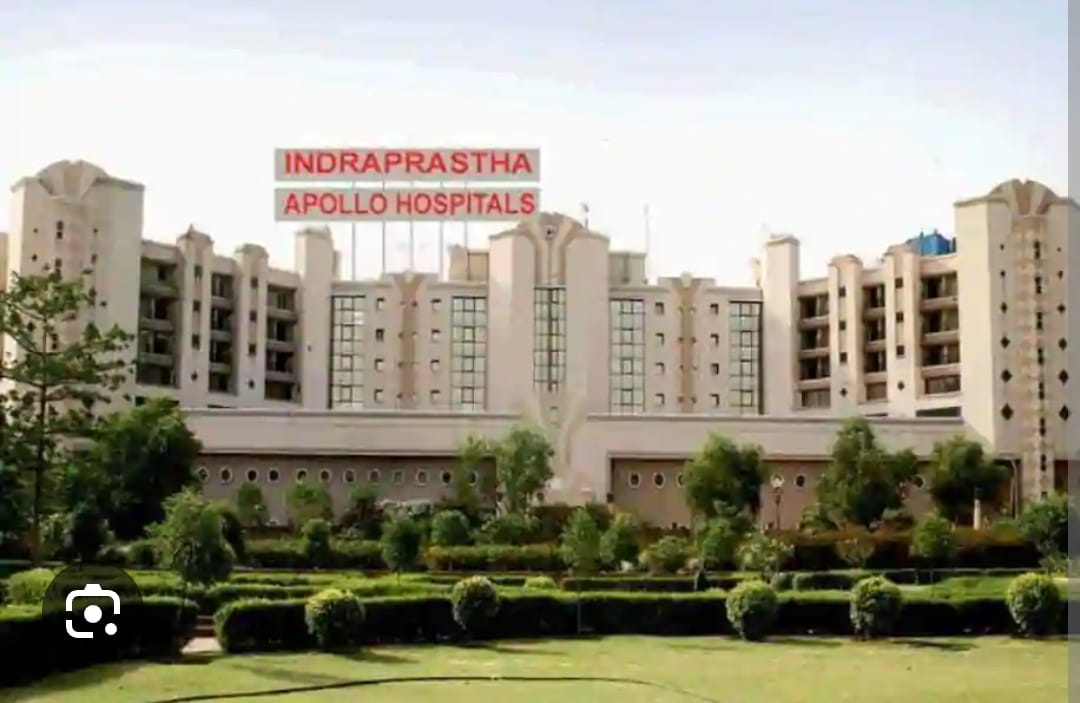
In India, the medical treatment industry exceeds the growth rate of the country's economy by more than 25 each year. India attracts the majority of patients from its cross-border travelers and its immediate neighbors, including Bangladesh, the Middle East, the Turkish-speaking states and East Africa. However, these numbers have also increased due to the increase in the number of Canadians, Americans and Europeans traveling to India for treatment, especially from more expensive producers like cardiac, neurological and orthopedic surgeries. . International patients can save thousands of dollars by receiving treatment in India instead of their own country. India's official national health policies encourage overseas medical travel as a fragment of its economy's "export" activities, although these services are provided in India. The government is using the revenue generated from medical travel to increase the country's foreign currency holdings. With government and business sector support and investment strengthening behind the health system, more and more multi-specialty and international hospitals are opening in the country every year. Cardiac care is an important specialty provided in India, with centers like Apollo (Chennai and New Delhi) and Fortis Wockhardt (Mumbai) leading the way. The success and morbidity rates achieved in India are on par with those achieved in the United States of America and Europe, with major procedures accounting for only 15 percent of the cost.
India is the source of several alternative medical treatments, including yoga and ayurveda. Ayurveda is famous for curing several chronic diseases such as arthritis, cancer, psoriasis, etc. It can also effectively treat nervous disorders. Ayurvedic treatment in India has been around since the 5000s and is considered to be one of the first medical treatments in the world. India includes some of the best Ayurvedic hospitals accredited by global organizations such as NABH.
India has emerged as the dominant medical travel destination in the world with more than 250,000 patients visiting the country each year to obtain treatment facilities for various medical treatments. The number of foreign patients receiving medical treatment in India is expected to increase by 300,000 by 2020..
Patients who are considering treatment in India are generally interested in evaluating the quality of the services that will be provided to them in the hospital. The International Society for Quality Health Care, also known as ISQua, creates a standard and framework for medical facilities provided around the world. JCI (Joint Commission International) and NABH (National Council for Accreditation of Hospitals and Healthcare Providers) are two world-renowned and trusted healthcare quality councils accredited by ISQua. Today India has over 34 JCI accredited accredited hospitals and over 425 NABH accredited.
The Indian metropolises are connected by air, allowing patients to receive treatment without delay, with international airlines operating in these cities, making medical treatment in India accessible to everyone. The Indian government has recognized the potential of medical tourism in India and has relaxed visa standards by implementing e-visa policies. The electronic visa has a validity of 30 days which can be used by tourists, for sightseeing tours and short trips, to receive medical treatment in India. Procedures that require a longer duration require patients to obtain a medical visa that is valid for 60 - 180 days and the cost starts at USD 85, which varies for each country.
India is one of the oldest civilizations in the world and has among its followers most of the religions known to mankind. India is one of the most religiously and culturally diverse countries. It makes India a hospitable country with helpful and friendly people.
English is widely spoken across India, making it easier for foreign medical tourists to communicate their needs and state of health in the country. Most hospitals also provide translators for several European and Arabic languages, as needed.
Indian cuisine is loved by people all over the world. Even if you don't like spicy food, India also offers different cuisines in its hotels and restaurants. The culture and biodiversity in India make some fascinating tourist spots in the country. Besides being a major medical tourism destination, it is also a popular tourist spot.

